
Constructivist Facilitation and Ethical Learning Culture at SMP Eksperimental Mangunan
- Authors
-
-
Author
-
Ronny Mugara
IKIP Siliwangi
Author
-
- Keywords:
- Constructivist Pedagogy, Ethical Practices, Facilitating Learning, Humanizing
- Abstract
-
This study examines how constructivist facilitation and ethical learning culture are enacted in the daily praxis of SMP Eksperimental Mangunan, a school known for its humanizing and student-centered philosophy. The research problem is rooted in the gap between the dominant instructional paradigm in Indonesian schools, characterized by teacher control, standardization, and transmission of knowledge, and the need for learning environments that nurture autonomy, participation, and ethical relationality. The purpose of this study is to analyze how learning facilitation is practiced, what ethical principles guide teacher–student interactions, and how these practices shape student learning experiences. Using an ethnographic qualitative approach, data were collected through prolonged classroom observations, in-depth interviews with teachers and students, document analysis, and participation in daily school activities. The results show that learning at Mangunan is facilitated through inquiry-based, dialogic, and experiential processes that position students as meaning-makers rather than passive recipients. Teachers act as facilitators who provide freedom, encouragement, and reflective scaffolding instead of control and evaluation- centered authority. Ethical practices emerge in the form of respectful communication, emotional attunement, dialogic conflict resolution, and relational pedagogy where students’ voices are genuinely valued. Students report increased confidence, critical thinking, collaboration, and a sense of belonging. The findings discuss how facilitation and ethics intersect to produce a humanizing learning culture, one that supports cognitive growth through trust, care, freedom, and responsibility. Constructivist learning is not merely a method but a school-wide relational ethic. The study concludes that Mangunan represents a viable model for shifting from instructional control to facilitative praxis, offering insight for schools seeking transformative pedagogy. As a recommendation, schools and teacher education programs should embed facilitative competencies and relational ethics as core pedagogical standards, not complementary practices.
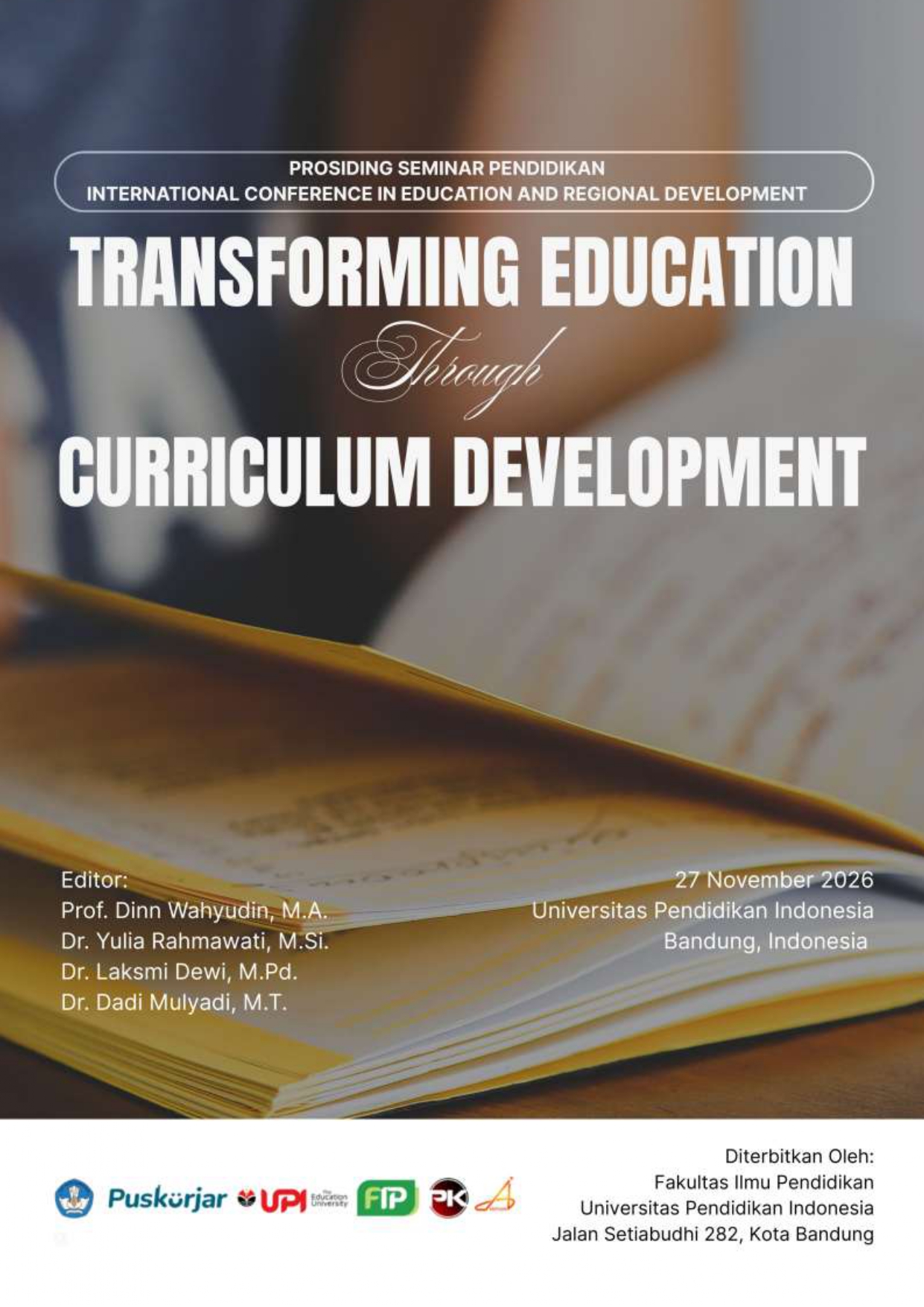
- Cover Image
-
- Downloads
- Published
- 2026-03-30
- Issue
- Vol. 1 No. 1 (2025)
- Section
- Articles