
The Role of Digital Libraries in Supporting Curriculum Transformation for Elementary Education
- Authors
-
-
Author
-
Author
-
Author
-
- Keywords:
- curriculum transformation, digital libraries, elementary education
- Abstract
-
The aim of this study was to explore the role of digital libraries in supporting curriculum transformation in elementary education. It sought to describe how teachers utilized digital libraries in their instructional practices, how these platforms contributed to curriculum innovation, and what challenges were encountered during their implementation. A qualitative descriptive design was employed to capture teachers’ lived experiences in integrating digital libraries into teaching and learning. Data were collected through semi-structured interviews with five elementary school teachers and analyzed thematically. The findings revealed three major themes. First, digital libraries expanded access to diverse and flexible learning resources, enabling differentiated and engaging instruction. Second, they facilitated curriculum adaptation and innovation, allowing teachers to align learning materials with current and contextual needs. Third, effective implementation required adequate digital literacy, student readiness, and institutional support. Despite their benefits, limited infrastructure and insufficient competence remained barriers. This study concluded that digital libraries functioned as catalysts for pedagogical renewal, fostering independent learning, collaboration, and the development of 21st-century competencies among young learners.
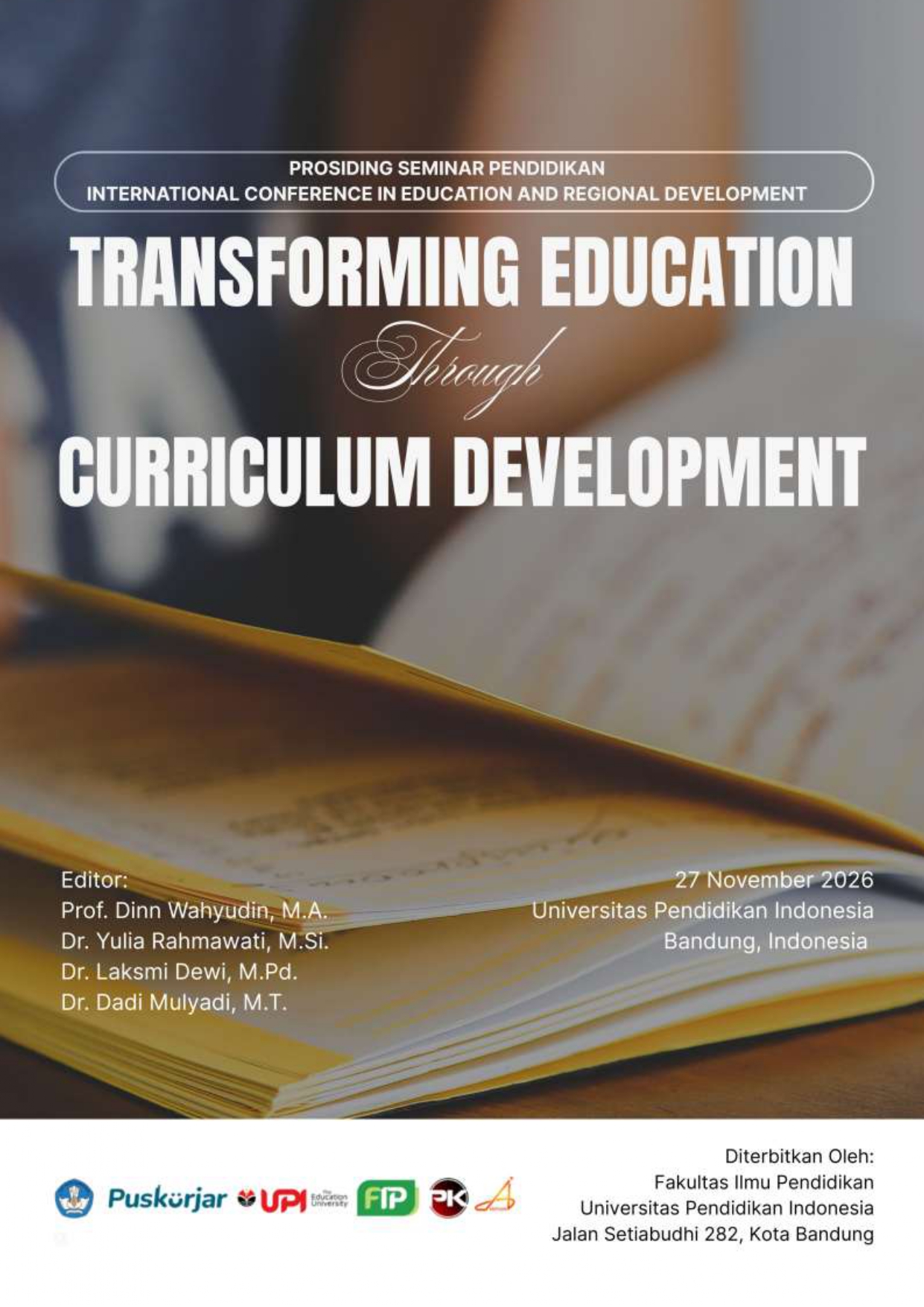
- Cover Image
-
- Downloads
- Published
- 2026-03-30
- Issue
- Vol. 1 No. 1 (2025)
- Section
- Articles