
The Potential and Challenges of Artificial Intelligence (AI) in Special Needs Education: A Systematic Literature Review
- Authors
-
-
Author
-
Author
-
Author
-
Author
-
- Keywords:
- artificial intelligence, assistive, inclusive, special needs, technology
- Abstract
-
Inclusive education currently faces significant challenges because traditional learning models often fail to accommodate the diverse and unique characteristics of students with special needs. Therefore, this study aims to explore the potential, implementation, and challenges of artificial intelligence in supporting the learning of students with special needs. This study uses a qualitative approach with the Systematic Literature Review (SLR) method utilizing the PRISMA guidelines. The results show that AI technology has great potential in supporting the learning of students with special needs, such as helping to adjust learning materials and speed according to the needs of each student. In Indonesia, there is a gap in AI implementation between regions with advanced infrastructure and those with limited infrastructure. This is because the application of this technology still faces challenges that need to be addressed, such as teacher competency constraints, lack of infrastructure, and algorithmic bias that hinders access to inclusive education. This study emphasizes that although AI plays a role as a tool for educational transformation, the deep digital divide remains a major obstacle, requiring systemic improvements in infrastructure equity to realize its full potential.
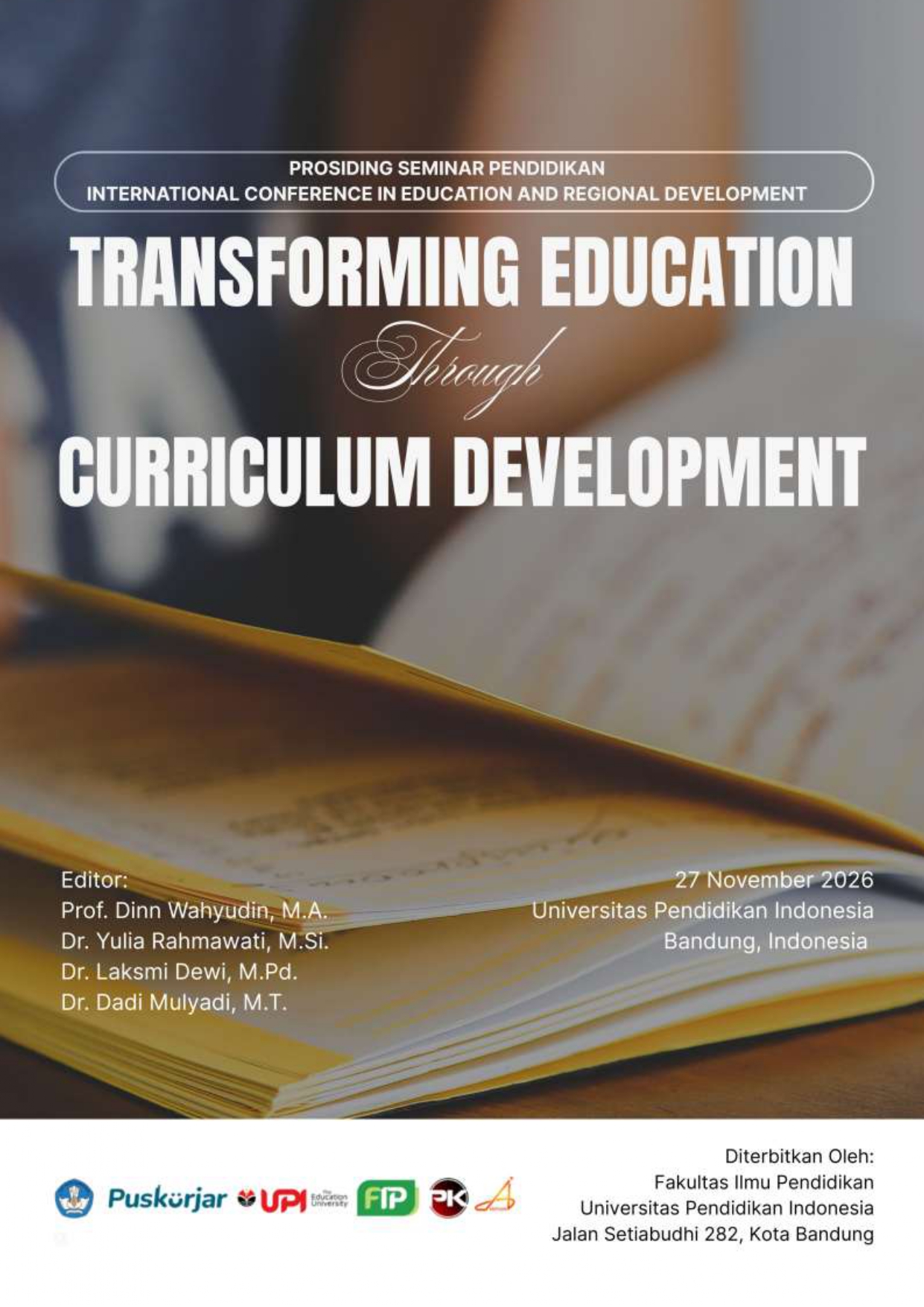
- Cover Image
-
- Downloads
- Published
- 2026-03-30
- Issue
- Vol. 1 No. 1 (2025)
- Section
- Articles